Mayor Faces Court over Building Permits
In a corruption investigation in southwestern France, a former mayor is suspected of illegally granting hundreds of building permits, spanning nearly a decade.

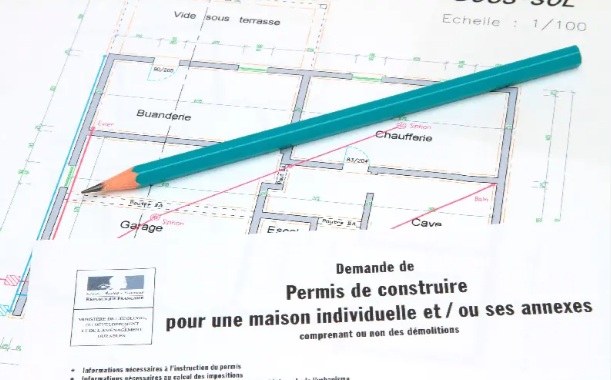
Mayor Faces Court over Building Permits
30th April 2026
In a corruption investigation in southwestern France, a former mayor is suspected of illegally granting hundreds of building permits, spanning nearly a decade.
The case concerns the commune of Saint-Jory, a town of roughly 6,000 residents located just north of Toulouse.
Between 2014 and 2023, during the tenure of Thierry Fourcassier as mayor, the municipality experienced rapid development.
According to investigators, nearly 400 building permits were issued in that period, enabling the construction of an estimated 3,500 homes, an unusually high figure for a town of its size.
Judicial authorities suspect that this surge in construction activity was not solely the result of urban planning policy but may have been tied to a broader system of exchanges between the council and private developers.
Fourcassier has been formally charged with passive corruption and influence peddling, among other offences.
At the heart of the case are allegations that developers seeking planning permission were expected to provide benefits in return.
These benefits were not always direct payments to the mayor but instead took more indirect forms that prosecutors believe may still qualify as illicit compensation.
One of the main mechanisms under scrutiny involves advertising in the municipal magazine, St Jory Mag. Investigators allege that real estate developers purchased advertising space at prices significantly above market rates.
A second mechanism involves donations to local associations. According to the investigation, developers were encouraged to contribute financially to community organisations operating in the town. Prosecutors believe that in this case they may have been tied to the granting of building permits or other planning advantages.
Investigators are also examining whether these arrangements helped the council indirectly. By channelling funds to local associations, developers may have offset expenses that would otherwise have fallen to the town’s budget.
Beyond these indirect benefits, the case also includes allegations of more direct personal gain. Testimony gathered during the investigation suggests the involvement of intermediaries acting as brokers between landowners, developers, and municipal officials. These intermediaries are suspected of facilitating deals and, in some instances, collecting commissions.
Separate strands of the investigation are focused on possible financial transfers or benefits that may have directly benefited the mayor or individuals in his circle.
Fourcassier has denied wrongdoing. He has argued that the arrangements were intended to support local life and avoid increasing taxes, and that there was no explicit quid pro quo between permits and financial contributions.
The trial is scheduled to take place in 2027 in Toulouse.
Related Reading:
You just read an issue of France Insider. You can also browse the full archives of this newsletter.